

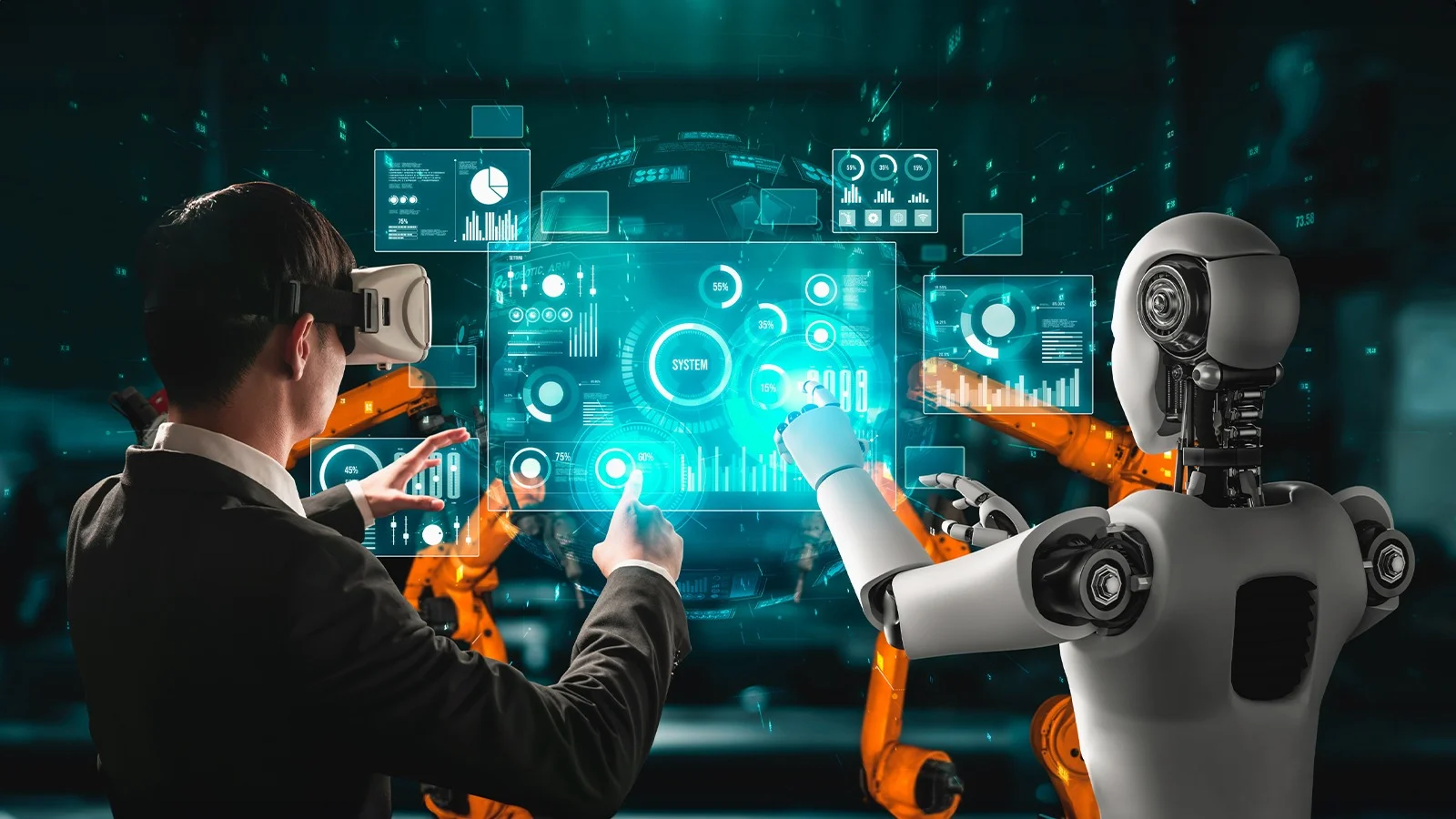
Marketing has changed forever. Artificial intelligence is no longer a futuristic concept reserved for tech giants; it's the engine powering the most successful brands today. Whether you're a startup or an established business, understanding how to build an AI marketing strategy isn't optional anymore. It's essential.
At Yung Media, our team of AI-powered digital marketing strategists helps businesses harness the full potential of AI not just to compete, but to dominate their market.
In this guide, we'll walk you through exactly how to build an AI marketing strategy that drives real, measurable results.
What Is an AI Marketing Strategy?
An AI marketing strategy is a structured plan that uses artificial intelligence, data analytics, machine learning, and automation to deliver smarter, faster, and more personalized marketing outcomes.
Unlike traditional marketing, AI marketing learns from customer behavior in real time, automates repetitive tasks, predicts what your audience wants before they search for it, and personalizes content at scale for thousands of customers simultaneously.
Step 1: Define Your Business Goals First
Before you touch a single AI tool, get crystal clear on what you want to achieve. Ask yourself: do you want to increase your website traffic?
Are you looking to generate qualified leads? Is your goal to increase conversions or improve customer retention?
Your goals will determine which AI tools and channels deserve your attention. Strategy without direction is just noise.
Pro Tip: Use SMART goals: Specific, Measurable, Achievable, Relevant, and Time-bound and align every AI tool you adopt to at least one of them.
Step 2: Understand Your Audience with AI-Driven Data
The biggest advantage AI gives marketers is deep audience intelligence. Gone are the days of guessing who your customer is.
Predictive Analytics — Tools like Google Analytics 4 and HubSpot use machine learning to predict future customer behavior based on past patterns.
Sentiment Analysis — AI scans social media, reviews, and forums to tell you exactly how people feel about your brand or industry.
Customer Segmentation — AI clusters your audience into micro-segments based on demographics, behavior, purchase history, and intent — enabling hyper-targeted campaigns.
When you stop guessing and start using data, your marketing budget works significantly harder.
Step 3: Build a Smarter Content Strategy
Content is still king — but AI is the kingmaker.
Content Planning — Tools like SEMrush and Surfer SEO identify high-performing topics, keyword gaps, and content opportunities your competitors are missing.
Writing at Scale — AI writing assistants help you draft blogs, ad copy, email sequences, and social posts faster while your team focuses on strategy and creativity.
Personalized Delivery — AI-driven platforms can show different content to different visitors based on their behavior, location, and stage in the buyer's journey.
Visual and Video AI — Tools like Runway and Pictory allow brands to create scroll-stopping visual content without large production budgets.
The goal is a content strategy that is consistent, scalable, and conversion-focused.
Step 4: Automate Your Marketing Campaigns
One of the most powerful applications of AI in marketing is automation, doing more with less effort and resources.
Email Marketing — Platforms like Klaviyo and ActiveCampaign use AI to send the right email to the right person at the right time, based on behavior triggers and purchase patterns.
Social Media — AI tools analyze when your audience is most active and what content formats drive the most engagement, then schedule and optimize accordingly.
Paid Advertising — Google's Performance Max and Meta's Advantage+ campaigns automatically optimize your ad placements, bidding strategies, and creative variations for maximum ROI.
Chatbots — Deploy conversational AI on your website to engage visitors 24/7, answer FAQs, qualify leads, and even complete purchases without a human agent present.
Step 5: Level Up Your SEO with AI
Search Engine Optimization has stepped into a new era. Google's algorithms are AI-driven, so your SEO strategy needs to keep pace with them.
- Intent Optimization — Understand the "why" behind every search query so your content truly answers user needs
- Semantic SEO — Move beyond keywords to topic clusters and entity-based content that modern search engines reward
- Voice and Visual Search — Optimize for how people search using voice assistants and image-based search
- Technical Audits — AI-powered crawlers instantly identify and prioritize technical issues holding your site back
Staying ahead of algorithm updates is the difference between ranking and disappearing.
Step 6: Personalize Every Customer Touchpoint
Today's consumers expect personalization. AI makes it possible at scale.
Website Personalization — Serve personalized landing pages, product recommendations, and CTAs based on individual visitor behavior.
Dynamic Email Content — Go beyond first-name greetings. AI enables dynamic content blocks that adapt to each recipient's interests and lifecycle stage.
Retargeting and Lookalike Audiences — AI algorithms analyze your best customers and automatically find new audiences that mirror them across Google, Meta, and programmatic networks.
Recommendation Engines — For e-commerce brands, AI-powered product recommendations significantly increase average order value and repeat purchases.
Step 7: Measure, Learn, and Optimize Continuously
An AI marketing strategy is never truly "done." It gets smarter over time, but only if you commit to continuous measurement and optimization.
Key metrics to track:
- Customer Acquisition Cost (CAC)
- Customer Lifetime Value (CLV)
- Return on Ad Spend (ROAS)
- Conversion Rate by Channel
- Engagement Rate and Content Performance
- Lead Quality Score
Use AI-powered dashboards like Google Looker Studio or Databox to consolidate your data into actionable insights and review them weekly, not monthly. Decision-making should always be driven by data, never by guesswork.
Why Work With a Specialist AI Marketing Team?
Building an AI marketing strategy requires more than subscribing to the right tools. It requires a team that understands your business, your audience, and the rapidly evolving landscape of digital marketing.
If you're based in Chennai and looking for expert guidance, working with an experienced digital marketing agency in Chennai like Yung Media gives you access to trending digital marketing experts who live and breathe this space every single day.
Here's what that partnership looks like in practice:
Strategies built around your specific business goals, not generic templates. Creative thinking combined with cutting-edge technology. Full transparency, you always know what's being done and why. Continuous optimization, not set-it-and-forget-it campaigns. Measurable outcomes that tie directly back to revenue
Final Thoughts
AI marketing is not about replacing the human touch. It's about amplifying it. When you combine intelligent technology with genuine creativity and strategic thinking, you unlock a level of marketing performance that simply wasn't possible before.
The businesses that win in the next decade will be those that embrace AI now thoughtfully, strategically, and with the right people by their side.
Ready to build your AI marketing strategy? Connect with the team at Yung Media and take your brand to the next level.